Space Explorer-Charming Fake Color and Quantified Emotions
Taiwan Contemporary Culture Lab (C-LAB), CREATORS Program2024
宇宙探索號— 迷人的假色與量化的情感
臺灣當代文化實驗場 CREATORS創作/研發支持計畫
2024
︎宇宙探索號 — 迷人的假色與量化的情感
︎Space Explorer — Charming Fake Color and Quantified Emotions
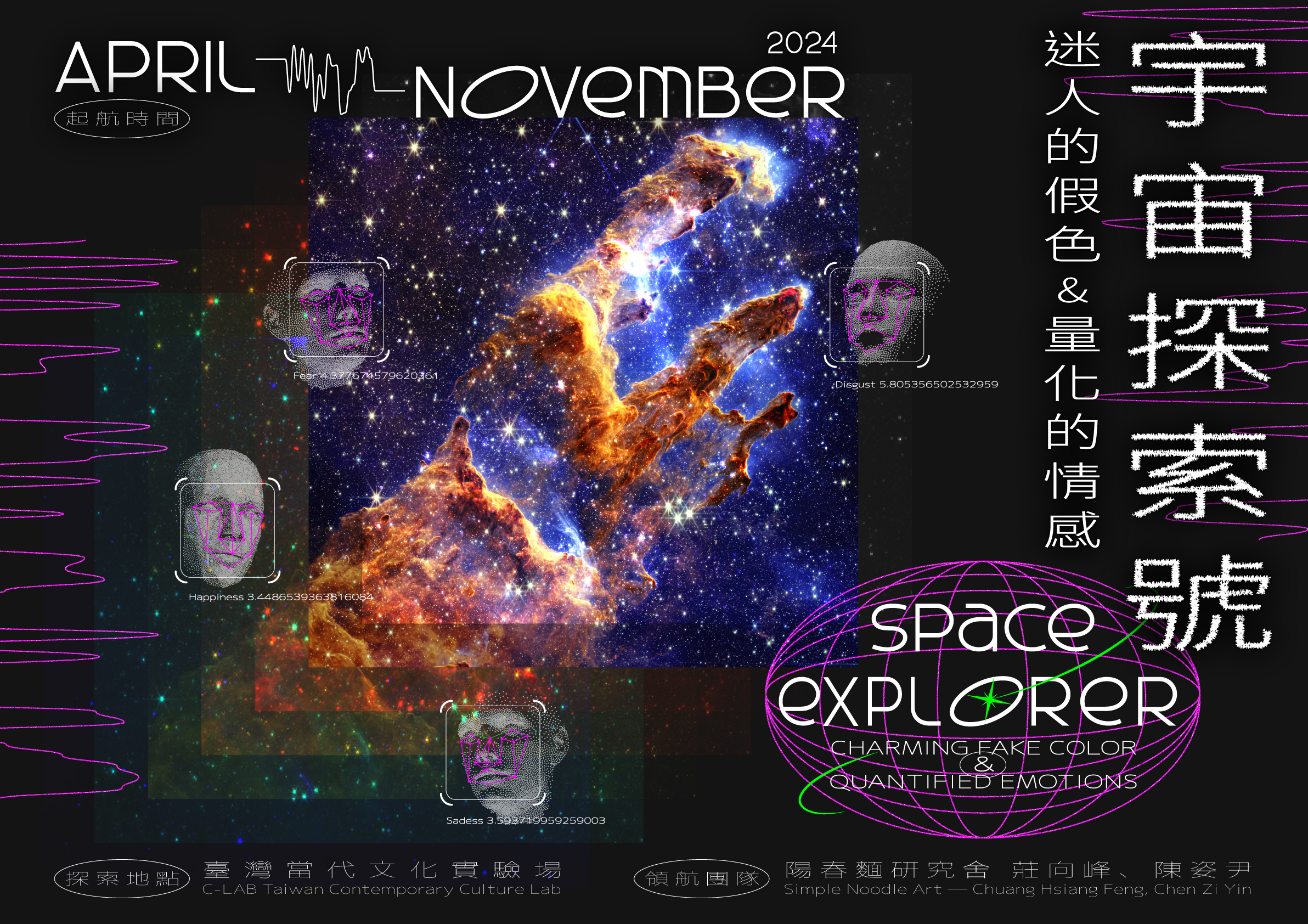
視覺設計: 周芳伃
The history of humanity’s exploration of the universe extends from naked-eye observations in ancient civilizations to modern scientific instruments, continually pushing beyond the limits of human perception and reshaping our understanding of the world. Information technology has opened up another axis of civilizational development: from the printing press to artificial intelligence, transforming the ways in which knowledge is accumulated and produced. With the emergence of large foundation models, artificial intelligence is no longer merely a tool created by humans, but has gradually become an “other” that explores the universe composed of humanity’s digital traces.
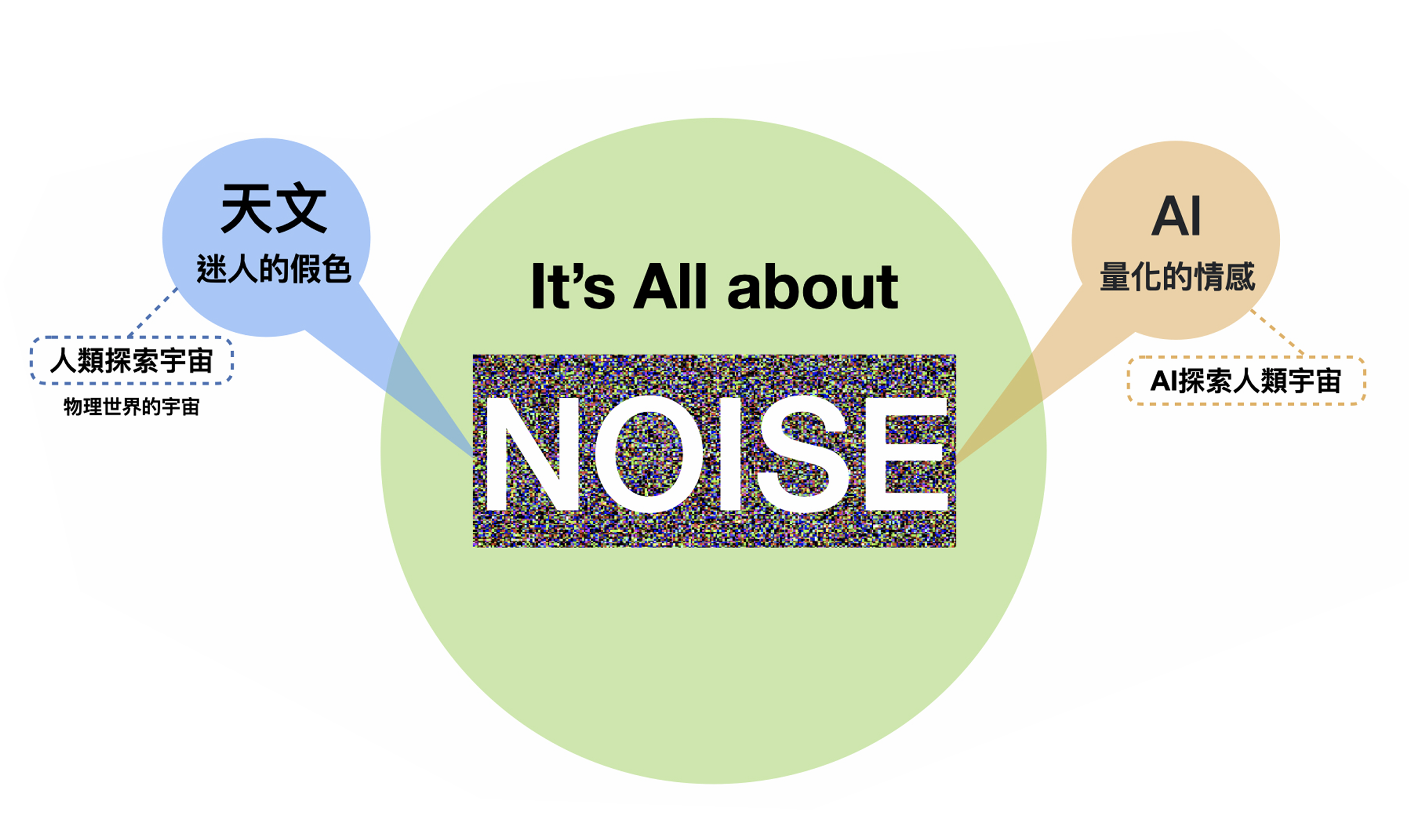
This project is structured around two research axes: astronomy and artificial intelligence. The astronomy axis focuses on the visual translation of “false color” and invisible light in astronomical images, and asks whether viewers, when unfamiliar with the techniques and principles behind these images, may come to perceive them as objective truth simply because they appear within scientific or educational contexts. Can subjective images still be regarded as having epistemic value within a scientific framework? This line of inquiry is further extended to everyday visual contexts such as portraits and street scenes, in order to reflect on the relationship between images and reality.
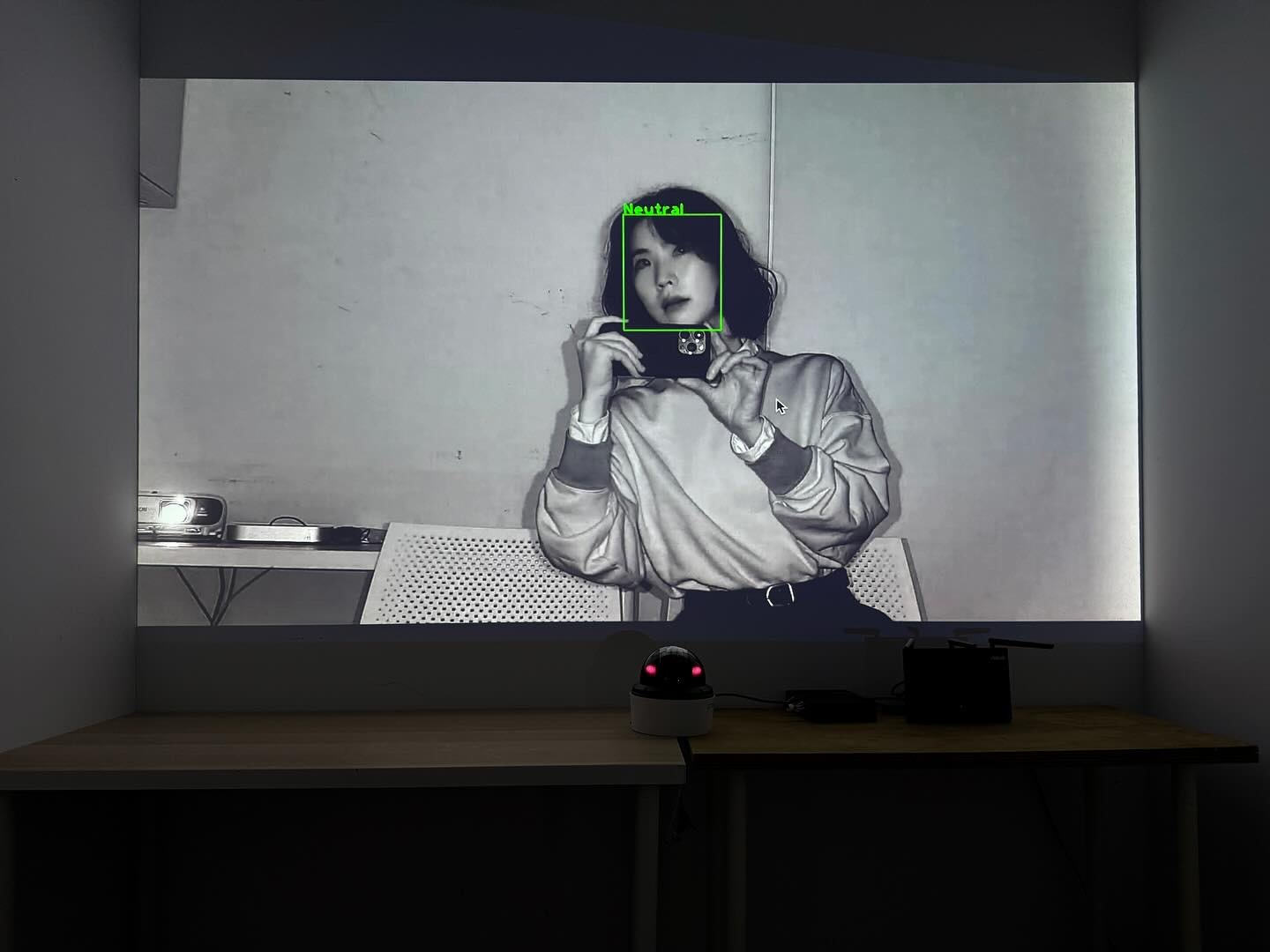
The artificial intelligence axis departs from the emotional averaging and filter-bubble effects produced by recommendation systems. Rather than developing a complete system, the project aims to construct a prototype of an interactive system and conduct feasibility studies, using AI to detect viewers’ emotional responses and subtly influence narrative branching, serving as an experimental basis for subsequent artistic creation and research.
人類探索宇宙的歷史,從古文明的裸眼觀測到現代科學儀器,不斷突破感官限制,重塑對世界的認知。資訊科技則開啟另一條文明發展軸線,從印刷術到人工智慧,改變知識的累積與生產方式。隨著⼤型基⽯模型出現,人工智慧不再只是人類的工具,而逐漸成為探索人類數位足跡所構成「宇宙」的他者。
本計畫以「天文」與「人工智慧」為兩條研究軸線。天文部分關注天文影像中「假色」與不可見光的視覺轉譯,思考當觀者並不理解其生成技術與原理時,是否會因影像所處的科學展示場域而自然將其視為客觀真實?主觀影像在科學脈絡中是否仍可能被視為具有知識價值?並嘗試將此影像生產邏輯延伸至日常肖像與街景,反思影像與真實之間的關係。人工智慧部分則從推薦系統造成的情感均值化與同溫層現象出發,嘗試建構互動系統雛型,進行可行性研究,透過 AI偵測觀眾情緒反應並影響敘事分支,作為後續創作與研究的實驗基礎。
Process Sharing During the Project Period
本計畫期間的過程分享
Three-Channel Color Composite Portrait Experiment with Narrowband Filters
Experiment in collaboration with Hsieh Hsiang Yu
窄頻濾鏡⼈像三⾊合成實驗
實驗與謝翔宇合作
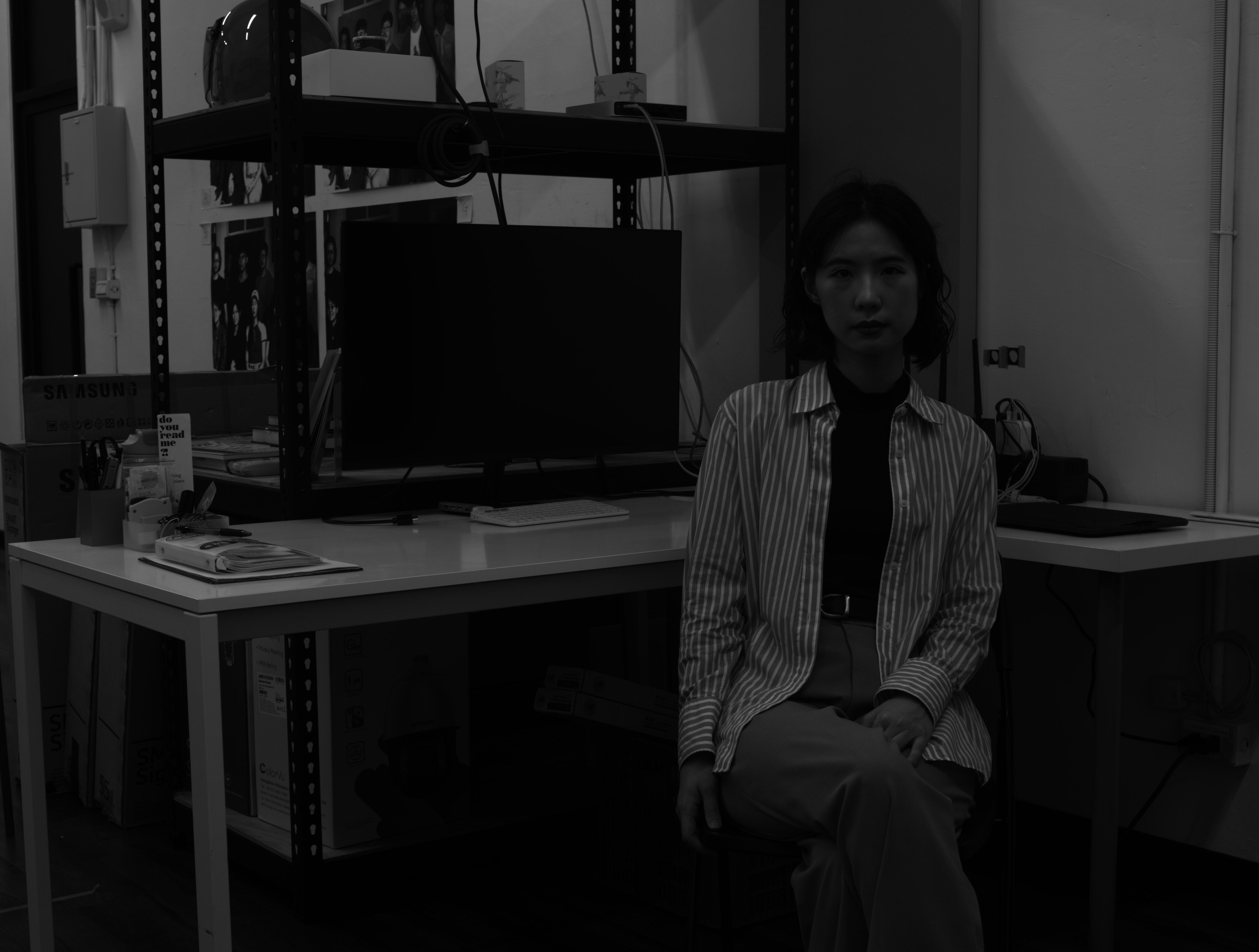
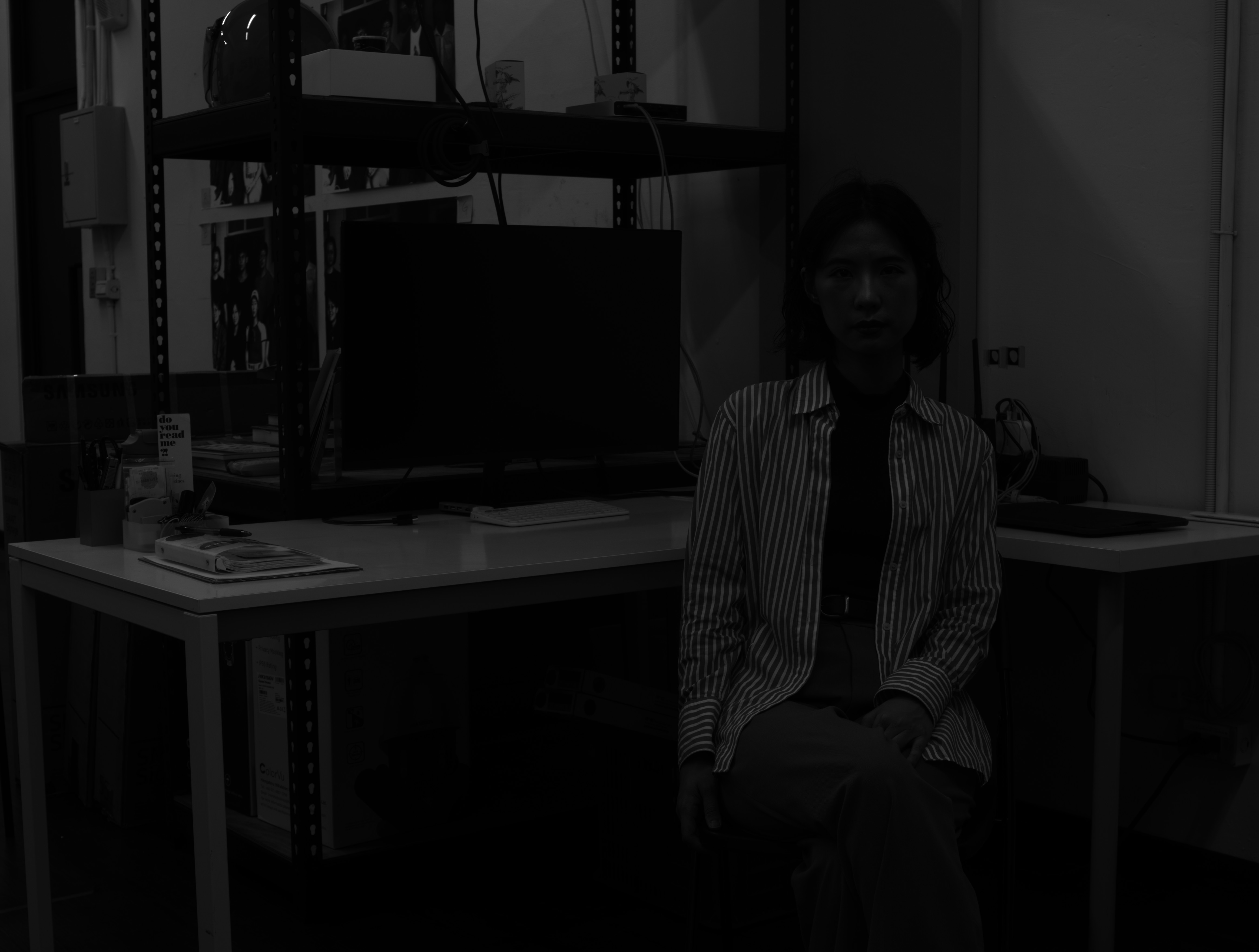
L R G B

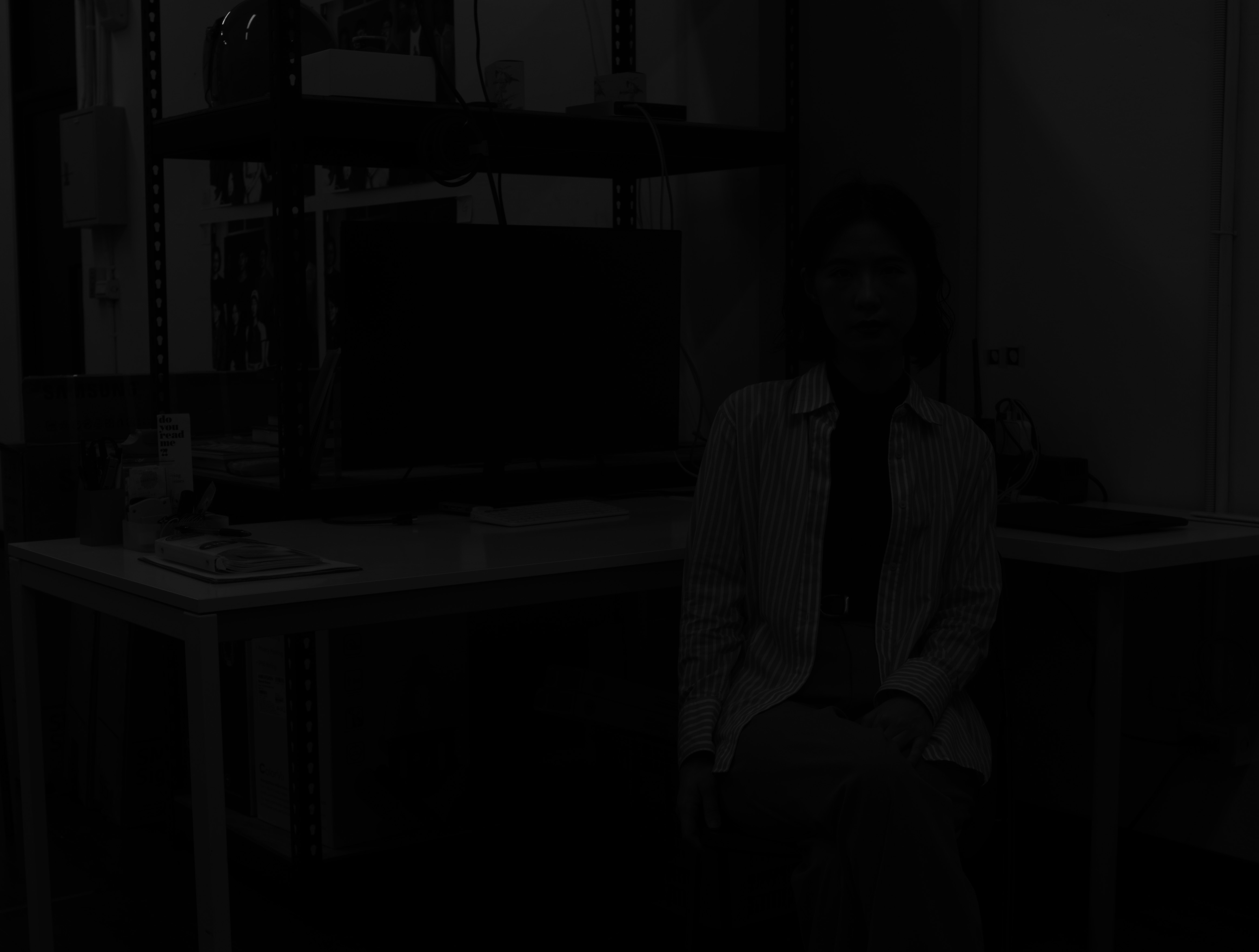
S H O
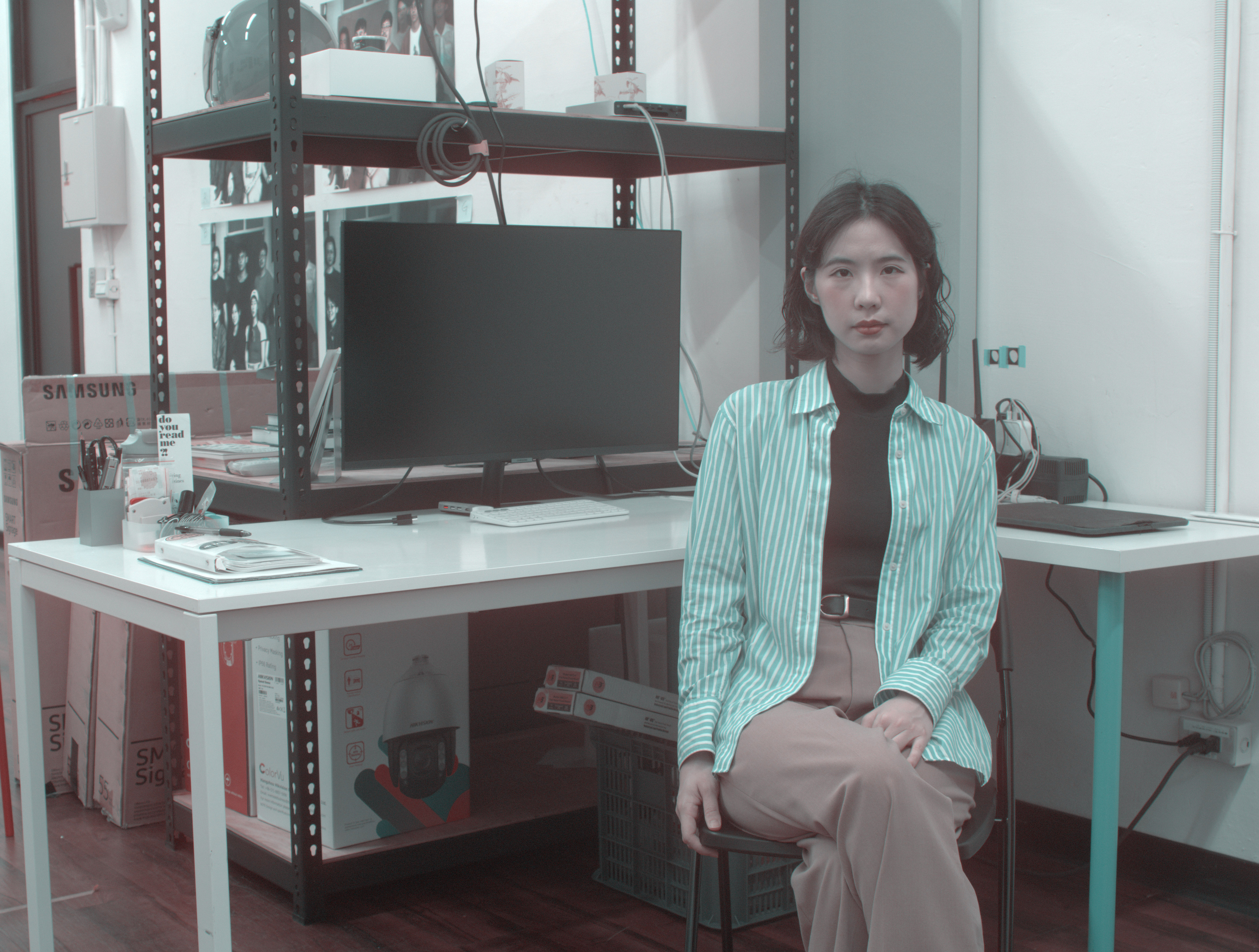
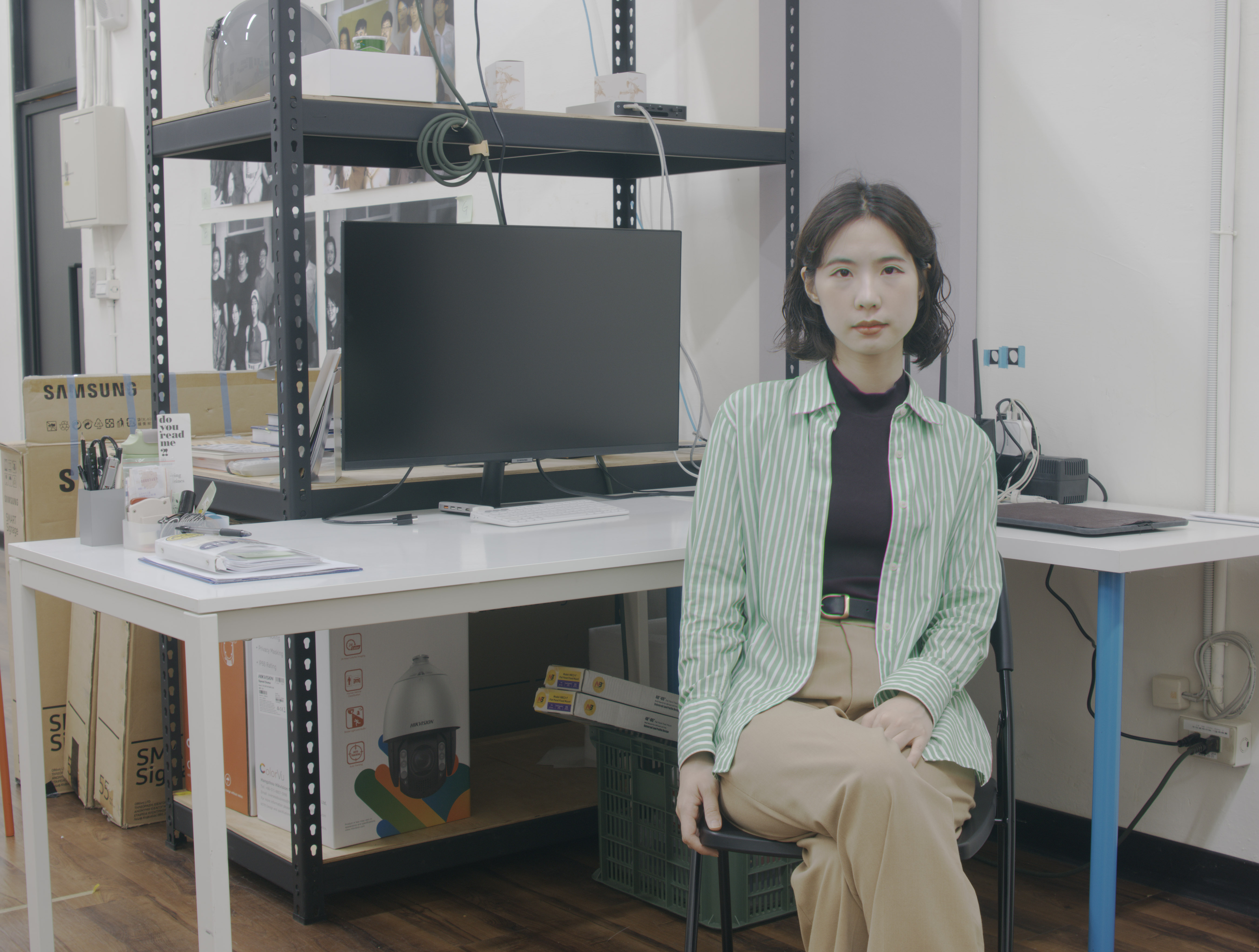
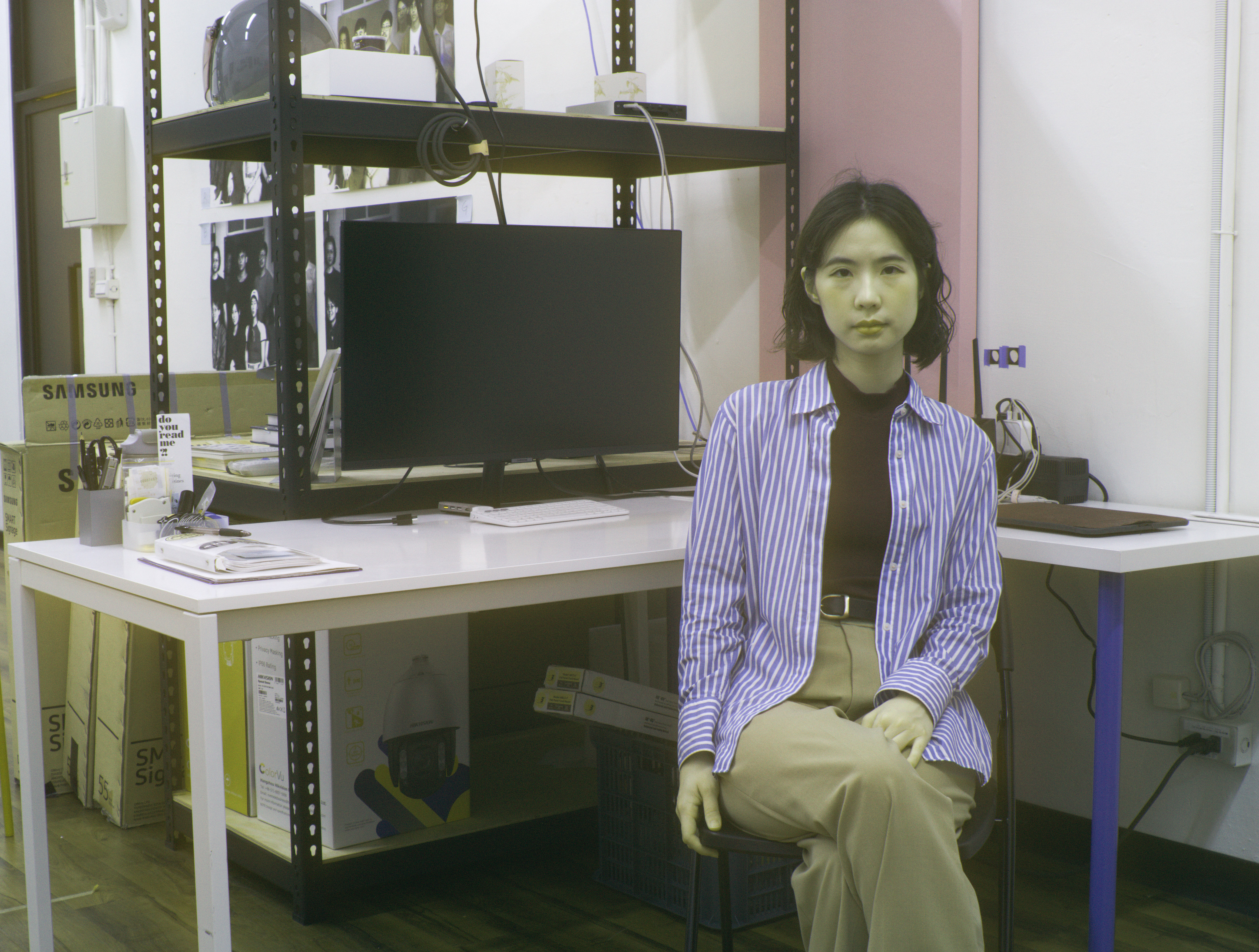
HOO
RGB
SHO
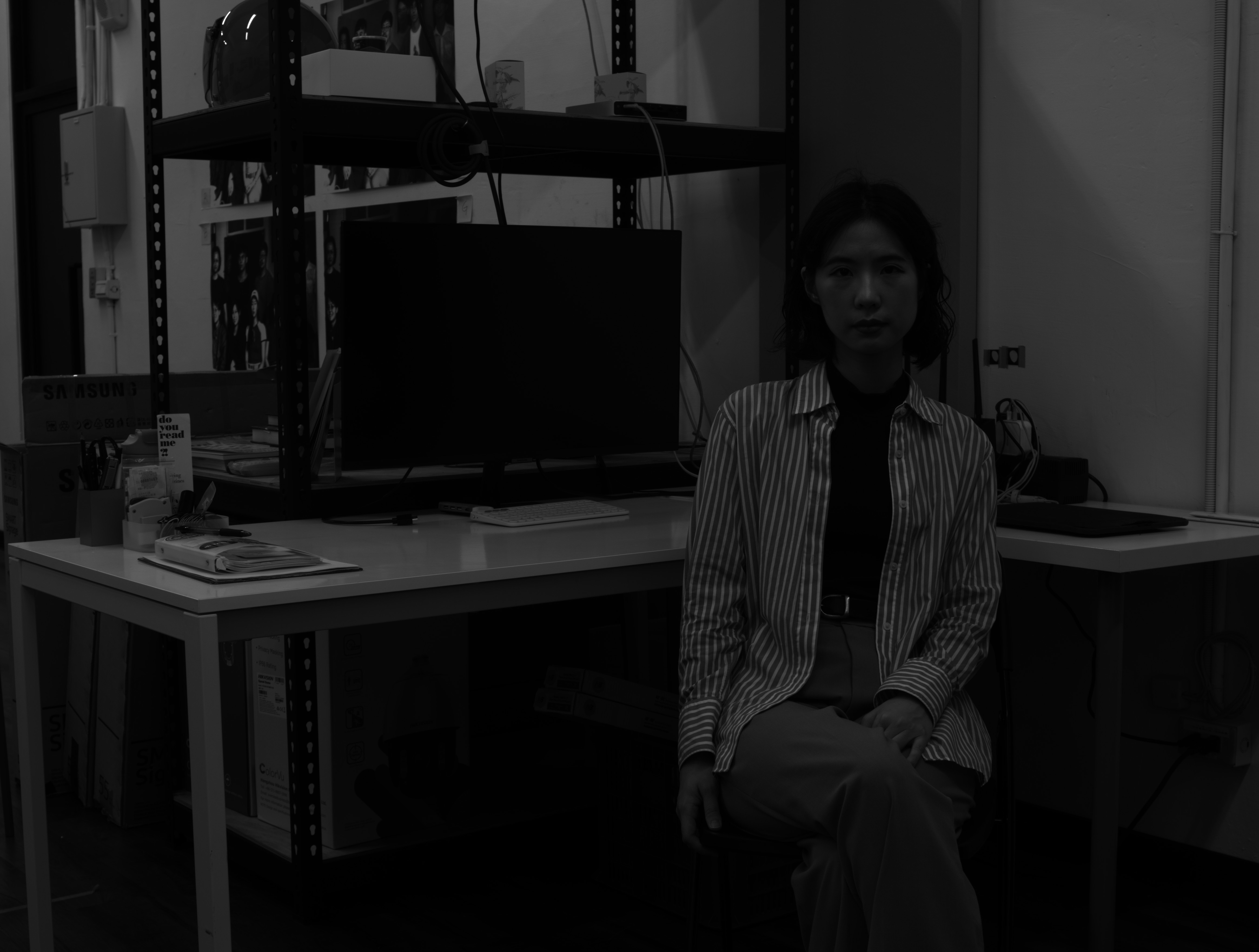
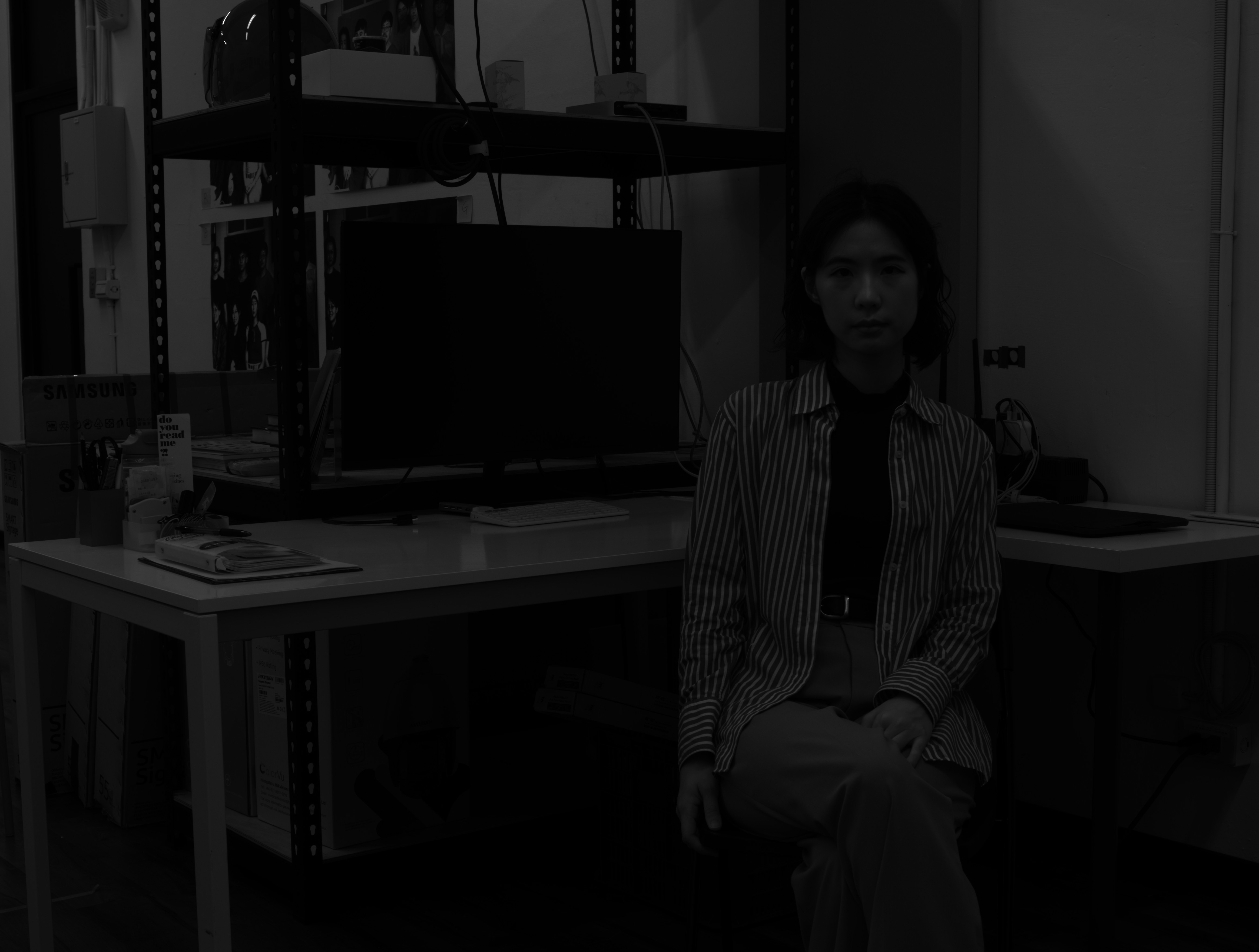
We experimented with shooting and compositing images using astronomical camera filters R, G, B, S, H, and O. The narrowband images captured with the S, H, and O filters were re-colored using red, green, and blue channels, a technique commonly known as the “Hubble palette.” However, after observing the composited results, we found that human skin appeared green, while other objects such as clothing or table legs, although also rendered in different colors, did not evoke the same sense of discomfort. When this color shift occurs on the human body, our familiarity with human appearance makes green skin difficult to accept.
For astronomers, however, imaging deep-sky objects with narrowband filters and applying false color is a way to highlight structural details of celestial bodies. This approach is not merely for aesthetic purposes, but also allows for clearer differentiation of the spatial distribution of sulfur (S II), hydrogen (Hα), and oxygen (O III), thereby supporting scientific research on astronomical phenomena.
我們嘗試以天⽂相機的R、G、B、S、H、O濾鏡進⾏拍攝及合成。其中S、H、O濾鏡拍攝的窄頻照片,以紅、綠、藍三種顏⾊來重新套⾊,這種套⾊即是俗稱的「哈勃⾊」。然⽽在看到套⾊結果後,發現⼈的⽪膚變成綠⾊,⽽其他的物品像是衣服、桌腳等,即便都呈現不同顏⾊,但並不會感到不舒服。當發⽣在⼈⾝上時,我們對於⼈的長相很熟悉,因⽽無法接受綠⾊的⽪膚。然⽽對於天⽂學家⽽⾔,使⽤濾鏡拍攝深空天體,可以透過套⾊更突出天體的細節,不只是為了好看,也更能分辨出硫(S-II)、氫(H-alpha)、氧(O-III)的分佈,幫助科學研究天體。
Wanderings on Lulin Mountain
Special thanks to Prof. Wei Hao Wang.
鹿林山遊記
特別感謝王為豪老師
During the course of the project, we visited a number of astronomical institutions and observatories. Among them, Lulin Observatory was a place we had long hoped to visit. With the accompaniment of our project advisor, Prof. Wei Hao Wang, we were able to travel to Lulin Observatory, meet with the director and astronomers, and learn from Wang about the daily maintenance of telescopes and related equipment.
We documented the entire visit to Lulin Observatory using a 360-degree camera. As observatories are sites where people on the Earth’s surface observe the universe through telescopes, the unique perspective of 360-degree imaging allows the sky and the ground to be inverted, as if looking back at the observers from the sky. In addition, we invited Prof. Wang to our studio to document how he remotely operates the telescopes located at Lulin Observatory and to demonstrate the process of astronomical photography. Through this, we reflect on how, with the development of technology, the embodied rituals of astronomical research are gradually disappearing.
在計畫執⾏過程中,我們參訪了許多天⽂機構、天⽂台,其中「鹿林天⽂台」是我們很久 之前就⼀直很想去的地⽅。這次透過陪伴顧問王為豪老師,帶我們前往鹿林天⽂台,參訪台長及天⽂研究⼈員,王為豪也分享他平常如何維護望遠鏡等相關設備。我們以360相機紀錄拍攝我們去鹿林天⽂台的整個過程,天⽂台是⼈們在地表透過望遠鏡觀看宇宙的地⽅,⽽透過360獨特的視⾓,可將天空與地⾯反轉,像是從天空回望觀測宇宙的⼈們。除此之外我們也請王為豪來到⼯作室,紀錄他如何遠端操作位於鹿林的望遠鏡,以及⽰範天⽂攝影的照片拍攝過程。以此回應科技的發展,天⽂研究⼈員的⾝體儀式感也隨之消失的過程。
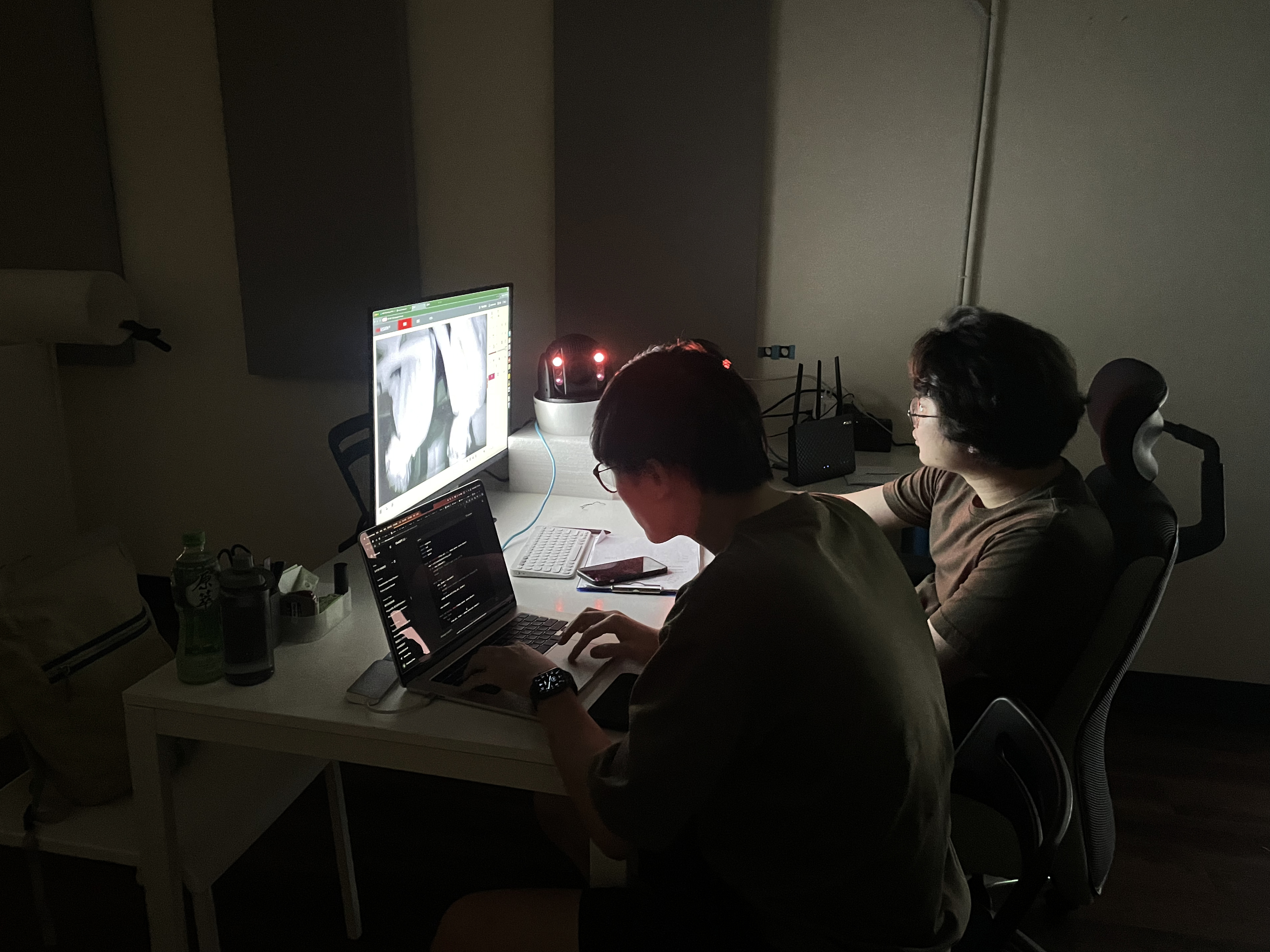
Prototype Study of an AI Interactive System
Special thanks to Engineer Shanboy Chen
AI互動系統雛型研究
特別感謝陳宣伯工程師
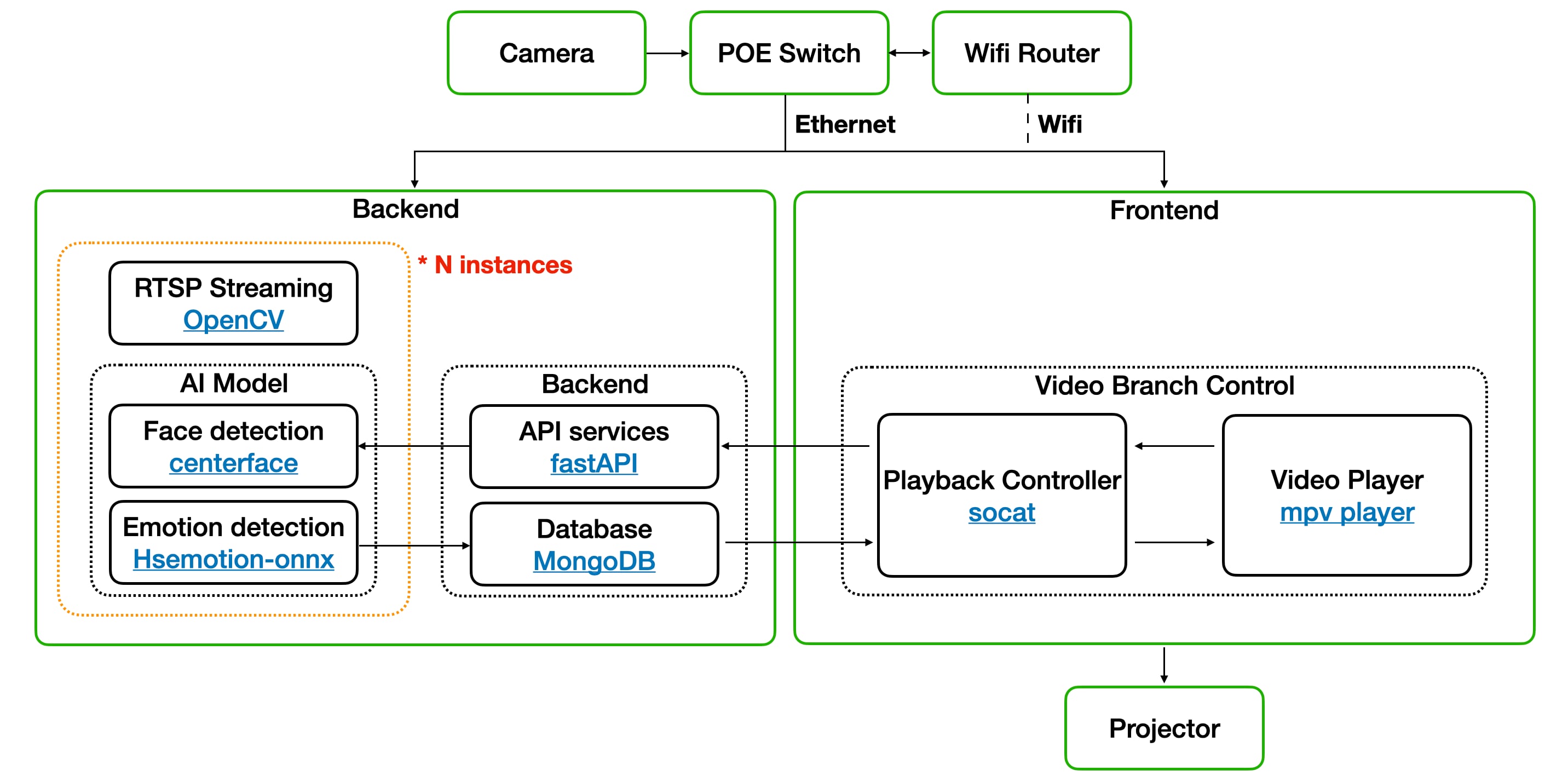
onnxruntime - Licensed under the MIT License.
fastapi - Licensed under the MIT License.
screeninfo - Licensed under the MIT License.
hsemotion-onnx - Licensed under the Apache-2.0 License.
onnx - Licensed under the Apache-2.0 License.
opencv-python - Licensed under the Apache-2.0 License.
pymongo - Licensed under the Apache-2.0 License.
numpy - Licensed under the BSD-3-Clause License.
uvicorn - Licensed under the BSD-3-Clause License.
See link for details:
https://github.com/Shanboy5566/hsemotion-onnx
Workshop Documentation
工作坊活動紀錄